-
Email
-
WhatsApp
-
Address
Zhengzhou,Henan,China
Zhengzhou,Henan,China
The Wright engine was a bit crude, even by the standards of the day. It had four horizontal inline cylinders. The 4-inch bore, 4-inch stroke, cast-iron cylinders fit into a cast aluminum crankcase that extended outward to form a water jacket around the cylinder barrels. The Wright brothers' engine. The engine was cooled by water from a narrow ...
The castings for the 1903 Wright engine were made at the Buckeye Iron and Brass Works, a nearby Dayton, Ohio foundry. The engine block and bearing blocks were aluminum, the rest were cast iron. Our working replica of the Wright 1903 engine built by Terry Hesler. The 1903 Wright engine with the crankcase cover removed.
History Wing EntranceThe Engine that Powered the Reproduction Wright Flyer. As the person responsible for the reproduction engine that powered the reproduction 1903 flyer that flew at the Wright Brothers National Memorial during the Centennial Celebration, Greg Cone of the Wright Experience pampered the engine. Greg didn't build the engine.
Mar 04, 2020 By using aluminum, they ensured their engine would be light enough to get the plane off the ground. And so it was when the Wright Brothers made their historic flight on December 17 th 1903, they did so with an engine partly built from aluminum. The continuing history of aluminum and aircraft
预计阅读时间:6 分钟Sep 12, 1997 The title of his talk was, “The First Aerospace Aluminum Alloy: The Wright Flyer Crankcase.”. Mr. Gayle stated that aluminum played an essential role in aerospace history from its very inception. For example, the engine crankcase used in the historic first flight of the Wright Flyer in 1903 was an aluminum alloy with 8% copper.
Jul 27, 2017 Most cast aluminum engine blocks are made from one of three alloys: 319, A356 or A357. The 319 alloy is 85.8% to 91.5% aluminum, 5.5% to 6.5% silicon, 3% to 4% copper, 0.35% nickel, 0.25% titanium, 0.5% manganese, 1% iron, 1% zinc and 0.1% magnesium. The alloy is given a T5 heat treatment to harden and strengthen the metal before the block is ...
The metal fittings were made from mild steel and the aircraft was rigged with15-gauge bicycle spoke wire. The engine block was cast from a hard aluminum alloy, 92% aluminum and 8% copper. The other parts of the engine were made from steel or cast iron, with the exception of the spark points which contained tiny bits of platinum.
In 1903, the Wright brothers selected aluminum for the cylinder block and other engine components for their first manned. Chevrolet 427 ZL-1 Engine Block Found New in Crate Stored For 40 Years. Gibb intended the ZL-1 powered Camaros for NHRA Super Stock drag racing competition because the all-aluminum engine was roughly 100 pounds lighter than ...
Nov 08, 2019 What was the Wright brothers engine made of? Although this was a soft metal, alloys had recently been developed that were much stronger – both Benz and Daimler in Germany were successfully making engines with aluminum blocks. The Wrights decided to cast the block from an alloy of 92% aluminum and 8% copper.
The Engine that Powered the Reproduction Wright Flyer. As the person responsible for the reproduction engine that powered the reproduction 1903 flyer that flew at the Wright Brothers National Memorial during the Centennial Celebration, Greg Cone of the Wright Experience pampered the engine. Greg didn't build the engine.
Billet aluminum engine blocks are made from a different 6061 “aerospace” alloy that is more ductile than A356 or A357, and is highly resistant to cracking under extreme pressure. This gives 6061 billet a tensile strength of 60,000 to 70,000 psi, compared to 13,000 to 14,000 psi for A356 cast aluminum.
Basic Engine Block Prep 101 It's a time-honored tradition in the hot rod community - the day you take your block to the machinist for boring decking and line boring the mains. Sounds simple enough but there is an amazing amount of precision measuring and machine work involved to do the job correctly.
Apr 28, 2005 I'm sitting here reading the June 2005 copy of Chevy High Performance, and on page 145 (right in the middle) they have an advertised Donovan Aluminum engine block for sale. Even though the lighter weight would give a racer an advantage over a cast iron block, wouldn't an aluminum engine block...
Feb 08, 2016 On December 17, 1903, the Wright brothers made the world's first human flight with their airplane, the Wright Flyer. The Wright Brother's Wright Flyer At the time, automobile engines were very heavy and didn't deliver enough power to achieve take off, so the Wright brothers built a special engine in which the cylinder block and other ...
Sep 01, 2020 In fact, when building their first airplane, the Wright Brothers knew that it was imperative to have a lightweight engine to power their plane. After having no luck finding a lightweight engine commercially available, the brothers decided to cast the engine block from an aluminum and copper alloy.
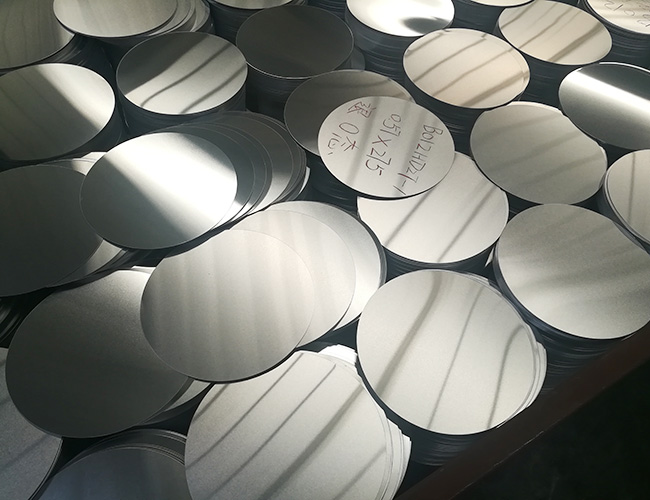
aluminum alloy used in engine block . If you have any questions or good suggestions on our products and site, or if you want to know more information about our products, please write them and send to us, we will contact you within one business day.
Donovan Engineering Aluminum Engine Blocks Site Navigation Donovan Engineering Quality by Design! Donovan Engineering has been making aluminum racing engine blocks for over 30... years. For leading race engine builders who win by design, Donovan gives you the finest materials and latest engineering. Each Donovan block is cast from strontium-modified B356
In 1903, the Wright brothers selected aluminum for the cylinder block and other engine components for their first manned. Chevrolet 427 ZL-1 Engine Block Found New in Crate Stored For 40 Years. Gibb intended the ZL-1 powered Camaros for NHRA Super Stock drag racing competition because the all-aluminum engine was roughly 100 pounds lighter than ...
Nov 08, 2019 What was the Wright brothers engine made of? Although this was a soft metal, alloys had recently been developed that were much stronger – both Benz and Daimler in Germany were successfully making engines with aluminum blocks. The Wrights decided to cast the block from an alloy of 92% aluminum and 8% copper.
The Wright brothers used aluminum for the engine crankcase of their first wood-frame biplane. Modern commercial transport planes consist of 80% aluminum—found mostly in their airframes, especially for fuselages and wings. Aluminum is used extensively in the space industry for shuttles and structures at the international space station.
L. S. Hobbs - The Wright Brothers' Engine and Their Design - Book from Project Gutenberg: The Wright Brothers' Engines and Their Design. The engine block (lower right), crankshaft (upper right) and other parts of a Wright engine. Close-up of a Wright engine, showing the four in-line cylinders. Like previous Wright engines, the exhaust valves ...
Their machinist did the actual work, but the brothers–sans any experience with IC engines–did the design work on the engine. The block of aluminum was bored-out into 4 cylinders, each with a 4 inch stroke and a 4 inch bore. The engine had the typical “make or break” ignition of that period, and did not even have a carburetor.
Answer (1 of 10): From: 1903 Wright Engine Once they had decided to attempt powered flight, the Wrights calculated they needed an engine that produced at least 8 horsepower and weighed no more than 200 pounds (91 kilograms). A quick survey of the automotive market showed there was no such engine...
Answer (1 of 3): It's interesting how little some things change. Then, as now, most US bike brands were assembled from parts made by specialist contractors. As far as I can tell, the Wright brother's bikes were no exception. The brothers might have made some hubs, cranks, or pedals that incorpora...
Sep 18, 2008 Aluminum automotive engine blocks are the norm today, and the standard solution for a cylinder wear surface has been a gray iron liner. While low-cost, durable and easy to manufacture (the key decision points for OEMs), engines using the iron-liner solution have inherent disadvantages in weight, size, thermal conductivity, differential thermal ...
Dec 25, 2021 Some folks argue that aluminum engine blocks lead to better car performance. Others say that iron supports high power better than the aluminum build. Until a few decades ago, iron was the ultimate engine block material. A large percentage of cars produced from the mid-'90s pack an aluminum engine block under the hood.
Aug 01, 2018 THE WRIGHT ENGINE PART 2. IN PART 1 yesterday, we learned that the 1903 Wright Flyer was powered by a horizontally aligned inline-four designed and fabricated by the brothers themselves and their mechanician Charlie Taylor. Their design criteria were simple: ample power, yet light weight. Several of their engineering responses were innovative indeed,
The metal fittings were made from mild steel and the aircraft was rigged with15-gauge bicycle spoke wire. The engine block was cast from a hard aluminum alloy, 92% aluminum and 8% copper. The other parts of the engine were made from steel or cast iron, with the exception of the spark points which contained tiny bits of platinum.
The Wright brothers' first aeroplane, which flew in 1903, had a four-cylinder, 12 - horsepower auto engine modified with a 30 - pound aluminium block to reduce weight. Aluminium gradually replaced the wood, steel and other parts in the early 1900s, and the first all - aluminium plane was built in the early 1920s.
Wright Brothers National Memorial. April 11, 2020 When local companies denied Wilbur and Orville's request to build the engine for their flyer, they turned to their friend Charlie Taylor to #MakeItWright. Who is a friend who came through for you when you needed them? ...
We are engaged in trading, distributing, exporting and supplying excellent quality Aluminum Engine Blocks Scrap in Glasgow, Lanarkshire, United Kingdom. Location: United Kingdom available stock: 5,000mt monthly Order:300-500 mt Minimum Order: 100mt Trail order: 50mt Packaging: According to isri Specification Status: customer satisfactory is ...
Basic Engine Block Prep 101 It's a time-honored tradition in the hot rod community - the day you take your block to the machinist for boring decking and line boring the mains. Sounds simple enough but there is an amazing amount of precision measuring and machine work involved to do the job correctly.
The engine blocks examined in this study were cast at the Nemak Centre of Engineering in Windsor, Canada. The composition of the 319 type aluminum alloy used in engine block production is shown in Table 1. Prior to pouring of molten aluminum into the precision sand moulds, gray cast iron cylinder liners were preheated to approximately 400 °C
Answer (1 of 10): From: 1903 Wright Engine Once they had decided to attempt powered flight, the Wrights calculated they needed an engine that produced at least 8 horsepower and weighed no more than 200 pounds (91 kilograms). A quick survey of the automotive market showed there was no such engine...
Feb 02, 2020 The Wright Brothers were inspired by The Aviation Pioneers, Chanute, Herring, and Avery's Glider. The Wright Kite was an unmanned kite with a five-foot wingspan. Orville and Wilber also integrated a warped wing design of the kite into the Chanute-Glider structural design. The inspiration of this aeronautical piece evolved to the Wright Glider.
The Hoover block (now called the Wright-Dunbar Interpretive Center), built in 1890 on the corner of West Third and South Williams Streets in Dayton, Ohio, was not only the location of a Wright brothers' printing shop, but it is one of only two properties intact today associated with the brothers' printing careers.